Why Model United Nations (MUN) Programs Matter for Students
In a world that’s ever more connected and ever more complex students need more than just academic knowledge. They need to think globally, speak up confidently, work with others, and face real-world issues. Model United Nations (MUN) is a program that gives them a chance to do exactly that. By simulating diplomacy, debate, negotiating, research and public speaking, MUN helps students develop skills and mindsets that are essential not just for exams, but for life. Below, I explain what MUN is, why it’s so important for young people, how it revitalizes them intellectually and personally, and how to make it truly relevant.
What Is MUN?
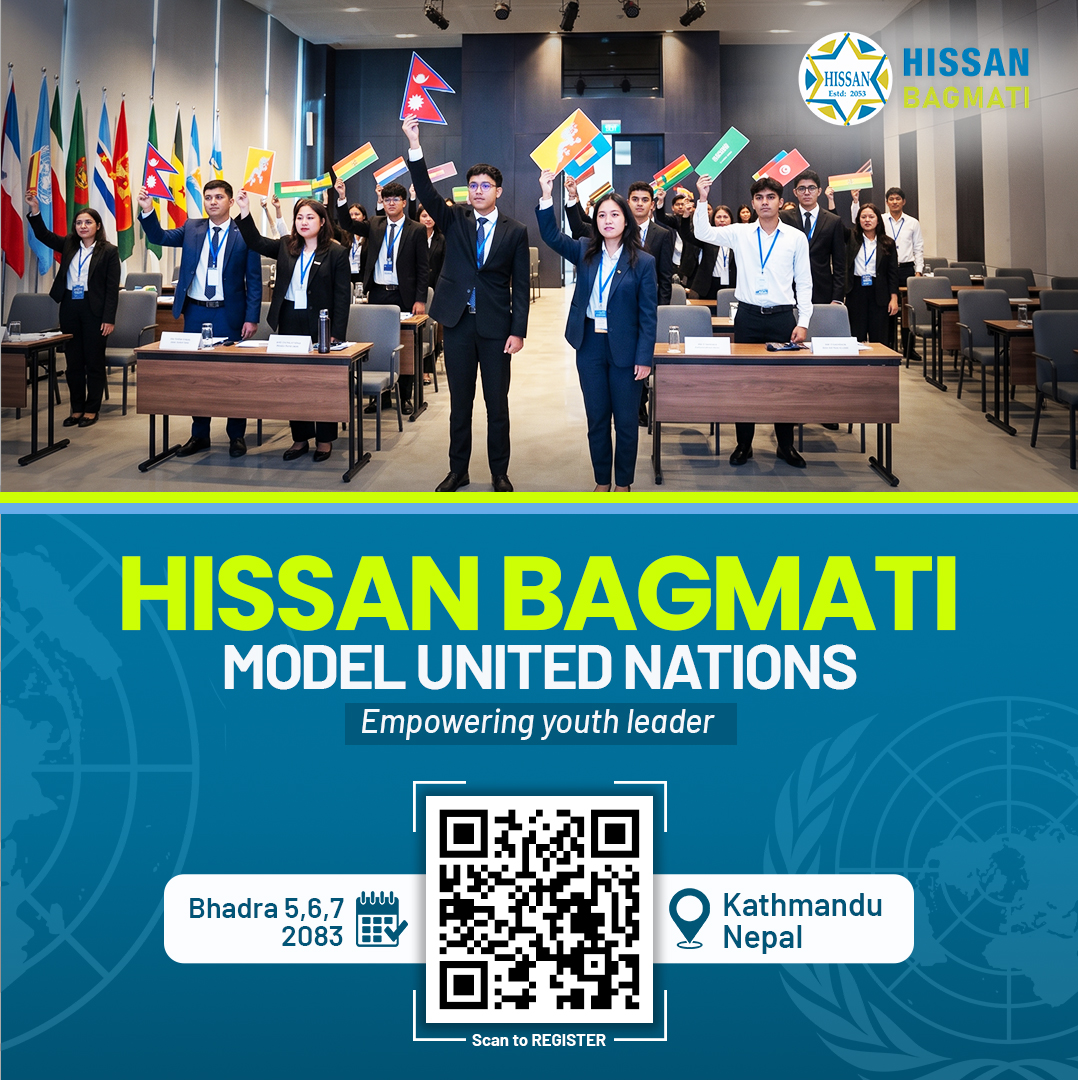
MUN stands for Model United Nations. In a MUN simulation, students act as delegates representing different countries or organizations. They research their assigned country’s policies, prepare position papers, debate topics in committees, negotiate with other delegates, draft resolutions, and vote on them. The aim is to mirror, as much as possible, how real diplomacy and international decision-making work. Students commonly discuss issues like climate change, human rights, migration, global health, and peace and security, among others.
Core Benefits of MUN for Students
Here are some of the most important advantages students gain from participating in MUN:
-
Deep Global Awareness
Preparing for a MUN conference means investigating real issues environmental crises, refugee movements, international trade, etc. Students learn what drives policy decisions, what constraints countries face, and how different perspectives matter. -
Critical Thinking & Research Skills
Representing a country requires going beyond surface-level understanding. You need to examine historical contexts, economic data, political positions, and anticipate counterarguments. That sharpens analytical ability. -
Stronger Communication & Public Speaking
MUN forces you to speak in front of others give opening statements, respond to debate, defend your position. Over time, students become more confident, clearer, and more persuasive. -
Negotiation, Diplomacy & Collaboration
Real diplomacy is not about insisting on only what you want; it’s often about working with others, compromising, building coalitions. MUN teaches that you can’t always have everything, but how to find workable, cooperative solutions. -
Leadership & Confidence Growth
As students take roles like committee chairs, bloc heads, or secretariat officers, they gain leadership experience. The process of overcoming nervousness, taking initiative, guiding others, makes them more self-assured. -
Preparation for Future Study & Careers
Many universities and employers look for traits like global awareness, communication skills, teamwork, and leadership. Having MUN on your profile helps show that you have these. It also sometimes helps clarify what fields you're interested in (law, international relations, public policy, etc.). -
Empathy, Perspective-Taking, Global Citizenship
By representing countries other than their own, often ones with very different challenges, students learn to see things through other people’s eyes. That builds empathy, respect for diversity, and a broader view of one’s role in the world. -
Networking & Exposure
MUN brings together students from different schools, regions, backgrounds. That exposure helps you learn from others, makes friends, maybe meet mentors. It widens horizons.
How MUN “Recharges” Students
MUN isn’t just another club or extra activity. Done well, it revitalizes and inspires. Here’s how:
-
Intellectual stimulation: Instead of passive learning, students take responsibility research a topic, understand its angles, argue for a solution. That makes learning feel alive.
-
Break from routine: The typical classroom can be predictable. MUN introduces debate, negotiation, unexpected questions, time pressures. It forces you to think fast, talk, adapt.
-
Emotional engagement & sense of purpose: Dealing with real issues (even in simulation) gives students a sense of meaning. “I’m acting on something I believe matters.” That can motivate and energize.
-
New experiences & perspectives: Meeting different people, hearing different viewpoints, sometimes traveling to conferences. These experiences broaden minds and build resilience.
-
Feedback & personal growth: In MUN you often get feedback what worked, what didn’t. You learn from mistakes. And you reflect: how would you do differently next time? That growth is refreshing.
Making MUN Realistic, Relevant & Impactful
To ensure MUN actually matters (not just performative), here are ways to keep it grounded and high-impact:
-
Choose topics that are current and pressing (e.g. climate justice, global health, technology ethics, human displacement).
-
Require that students engage with real data, reports, and policy documents not just opinion.
-
Introduce constraints (limited resources, time, conflicting goals) so students understand trade-offs.
-
Use informal caucuses, lobbying, negotiation behind the scenereal diplomacy isn’t just formal speeches.
-
Offer training or workshops in research methods, public speaking, resolution drafting ahead of conferences.
-
Encourage follow-up: after the simulation, students take real action in their schools or communities tied to what they debated.
-
Provide supportive feedback and opportunities for leadership roles to build experience and confidence.
Challenges & How to Overcome Them
Every strong program also faces obstacles. Recognizing them helps make MUN better.
-
Feeling unprepared or intimidated: Some students hesitate. Remedy: begin with simpler topics or smaller, practice sessions; mentor beginners.
-
Access to resources: Busy schedules, lack of materials, research tools. Remedy: share background materials early; encourage peer groups; use school librarians or online open resources.
-
Overemphasis on competition: Sometimes students focus only on winning medals rather than learning. Remedy: debriefs after conferences, focus also on learning outcomes, not just awards.
-
Sustainability: If only a few students care, the program can fade. Remedy: build school support, document processes, rotate leadership, get external mentorship.
Conclusion
Model United Nations is more than just a simulation. It’s a powerful educational tool that equips students with critical thinking, communication, leadership, empathy, and global awareness. More than that, it has a way of re-energizing students giving them ownership, motivation, and a clearer sense of what matters in the world.