Introduction: Learning Beyond Borders
In an increasingly interconnected world, education can no longer be confined within national boundaries. Understanding global education systems, leadership models, and teaching practices has become essential for educators striving to prepare students for a rapidly evolving future. With this vision in mind, Global Help Foundation, in collaboration with PABSON (Private and Boarding School Organization of Nepal), successfully organized the PABSON Scandinavia (Europe) Exposure Visit, held from July 19 to July 27, 2025, across Denmark, Sweden, and Finland.
This nine-day educational journey was more than an international visit—it was a transformative experience that connected Nepali educators with globally recognized education hubs, encouraged professional reflection, and inspired innovative thinking rooted in real-world exposure.
Purpose and Vision of the Exposure Program
The core objective of the PABSON Scandinavia Exposure Visit was to strengthen professional development by offering direct exposure to some of Europe’s most advanced and inclusive education systems. The program was thoughtfully designed to bring together school leaders, educators, and administrators from Nepal and immerse them in environments where education is driven by equality, student well-being, innovation, and strategic leadership.
Through institutional visits, expert-led workshops, and cultural immersion, participants gained valuable insights into how education systems in Scandinavia balance academic excellence with social responsibility. The exposure visit also provided a collaborative platform for participants to exchange ideas, discuss shared challenges, and explore adaptable solutions relevant to the Nepali education context.
Denmark: A Global Educational Hub
The journey began in Copenhagen, Denmark, widely regarded as a global hub for progressive education and sustainable development. Participants arrived on July 19, settling into the city before beginning a structured learning schedule that blended academic engagement with cultural exploration.
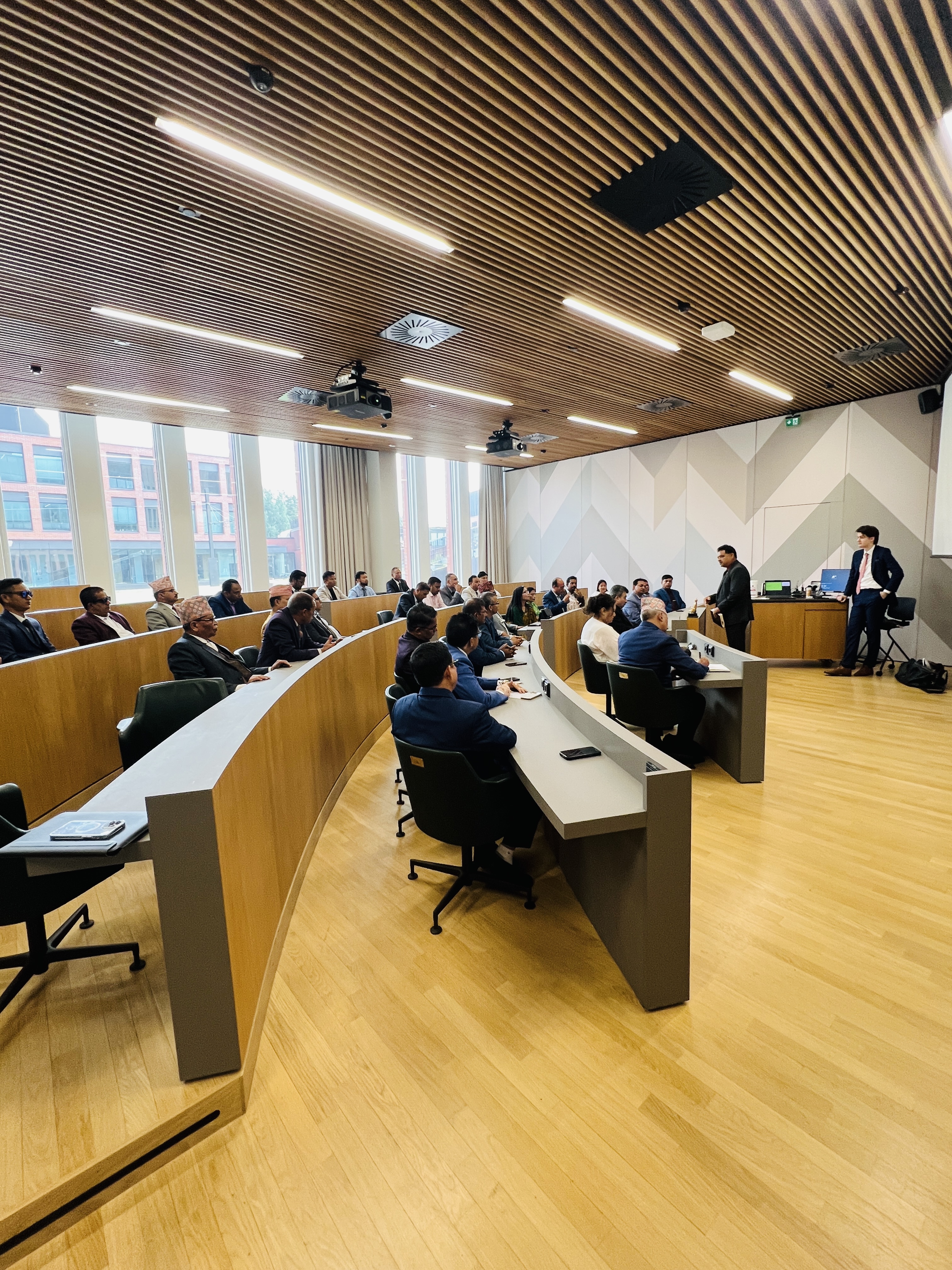
The Denmark segment featured two full days of intensive workshops, bringing together keynote speakers and education experts. These sessions focused on comprehensive education systems that emphasize free and compulsory education, equal access for all learners, and student-centered approaches. Discussions highlighted how Scandinavian schools prioritize well-being, collaborative learning, and formative assessments over excessive standardized testing.
Participants explored how minimal yet impactful school durations, flexible schedules, and strong support systems—including counseling and special education services—contribute to student success. These insights offered powerful reflections on how learning environments can be both effective and humane.
Experiencing Education Through Culture and Community
Beyond academic sessions, the exposure visit emphasized cultural understanding as a key component of education. City tours in Copenhagen allowed participants to experience landmarks such as Nyhavn, The Little Mermaid Statue, Rosenborg Castle Gardens, and Kastellet, offering a deeper understanding of how culture, history, and public spaces influence learning societies.
Cultural immersion continued throughout the journey, reinforcing the idea that education does not exist in isolation it is deeply shaped by social values, civic engagement, and national identity.
Sweden: Innovation, Leadership, and Institutional Insight
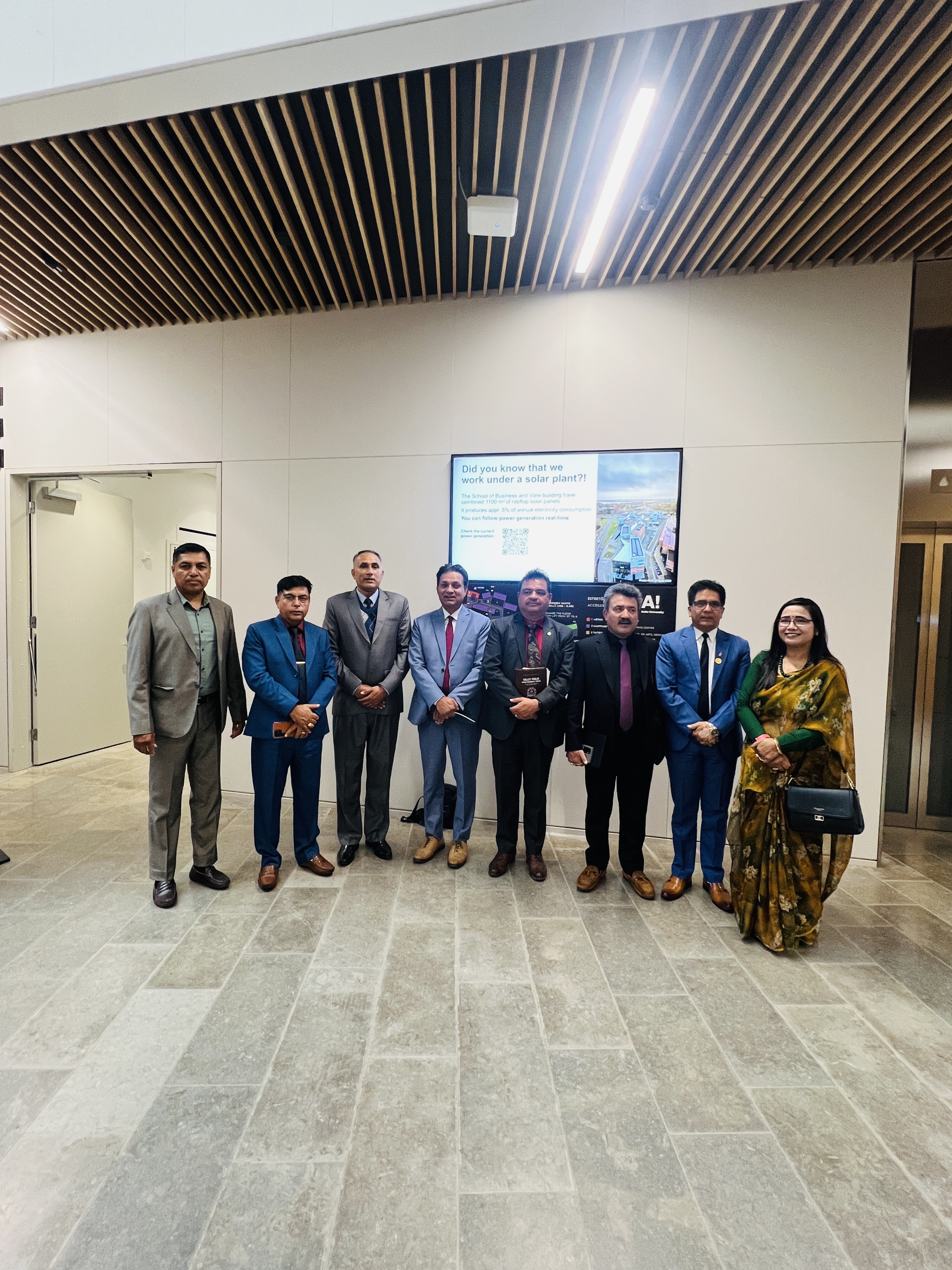
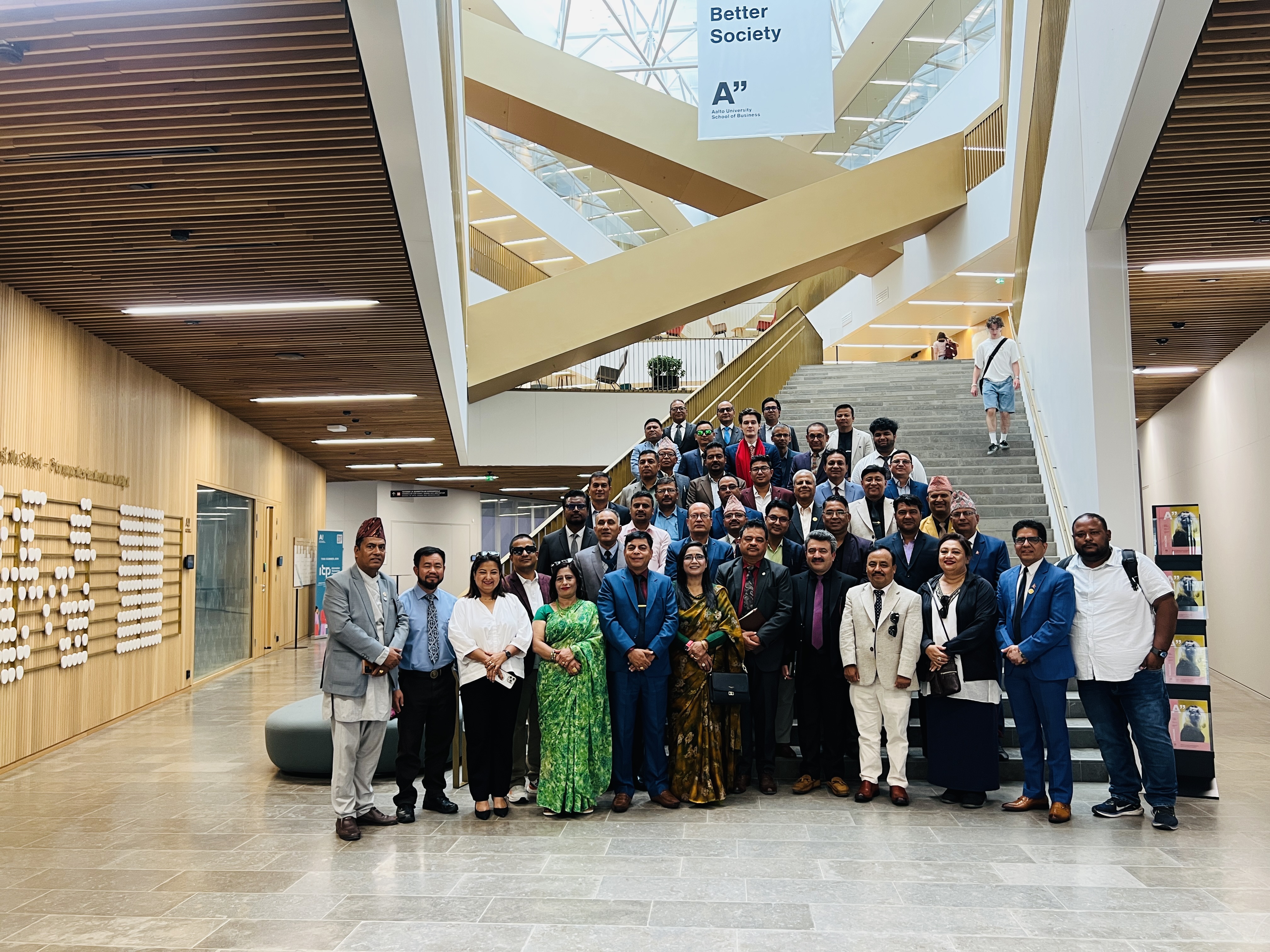
On July 23, the delegation traveled to Stockholm, Sweden, where the focus shifted toward institutional visits and leadership perspectives. Participants explored educational institutions and observed how innovative teaching methodologies, curriculum design, and school management practices are implemented in real settings.
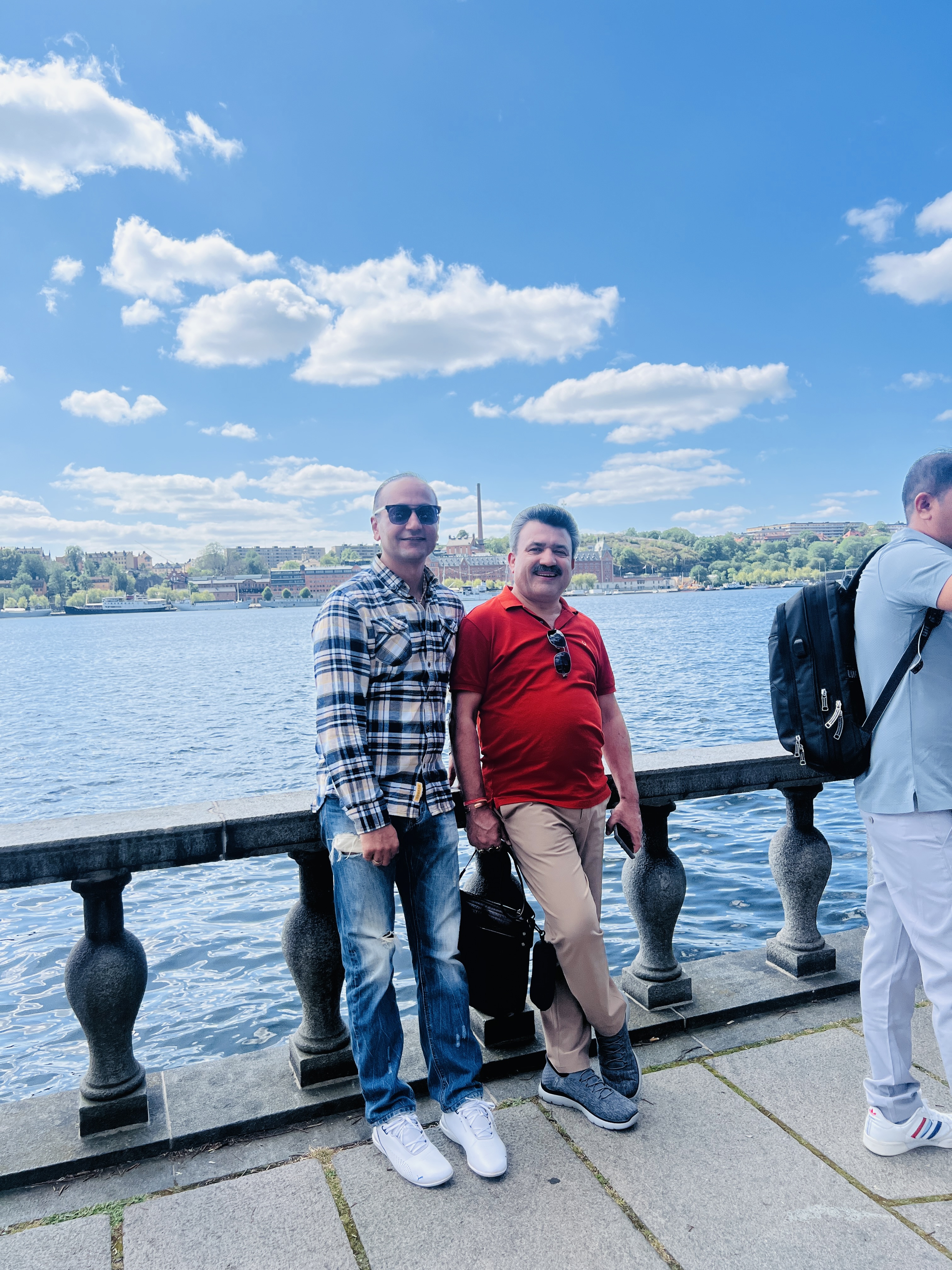
A guided city tour through Gamla Stan (Old Town), Stockholm City Hall, and Riddarholmen Church provided historical context, while professional discussions highlighted Sweden’s emphasis on inclusive education, critical thinking, and continuous improvement in school leadership.
Networking sessions throughout the Sweden visit fostered meaningful dialogue among participants, strengthening professional relationships and encouraging collaborative learning beyond borders.
Finland: Learning from One of the World’s Best Education Systems
The final phase of the exposure visit took participants to Finland, internationally recognized for its exemplary education model. Arriving via an overnight cruise to Helsinki, participants experienced firsthand how Finland integrates trust, equity, and student well-being into its education system.
Visits to iconic sites such as Suomenlinna Sea Fortress, Helsinki Cathedral, and Temppeliaukio Church (Rock Church) complemented institutional learning with cultural exploration. Discussions emphasized Finland’s commitment to equal opportunities, minimal standardized testing, and strong student support systems—principles that resonated deeply with participating educators.
A formal Gala Dinner marked the culmination of the program, providing space for reflection, appreciation, and shared vision for future collaboration.
Key Outcomes and Professional Impact
The PABSON Scandinavia Exposure Visit delivered meaningful outcomes for participants:
-
Enhanced understanding of global education trends and best practices
-
Practical insights into student-centered and inclusive learning models
-
Strengthened leadership perspectives and strategic management skills
-
Expanded professional networks across institutions and countries
-
Renewed motivation to implement positive change within Nepali schools
Participants returned with fresh ideas, broadened perspectives, and a deeper appreciation for how education systems can evolve while remaining rooted in human values.